


Disaster Response
During times of natural and humanitarian disaster, Convoy of Hope responds with tangible aid and compassion.
Donate Now

Impact
Real help in times of real need.

713+
Responses to Date

3.8M+
Individuals Served During Disaster Responses in 2023

48
International Disaster Responses in 2023
What We Do
When disasters come …
When you link arms with Convoy of Hope to provide disaster relief, hurting people receive the help and hope they need to get back on their feet. Convoy of Hope is committed to helping as much as possible for as long as possible by:
• Distributing essential emergency supplies such as food, clean water, hygiene items, and more.
• Providing long-term assistance, when possible, to help people rebuild and recover.
It’s devastating, but it’s been awesome to have everyone come together. Thanks to Convoy of Hope for being here.
Disaster Survivor


Approach
Hope in every storm.
Convoy of Hope is among the first to respond to disasters. Highly regarded for scalable and effective distribution, Convoy is committed to being a positive force during crises.

Global Disaster Response
Distance and hazardous circumstances are hurdles that Convoy of Hope is comfortable navigating. At the end of the day, the goal is to let people know they aren’t forgotten by delivering tangible relief. Convoy serves by:
- • Stocking international warehouses with relief supplies.
- • Regularly training local staff and volunteers and equipping them with the capability to respond to disasters in their area.
- • Ensuring through access to a global network of partners that Convoy can evaluate, conduct, and complete disaster responses that occur just about anywhere in the world.
- • Providing resources and training to people experiencing long-term humanitarian crises, such as drought, famine, civil conflict, and refugee displacement.
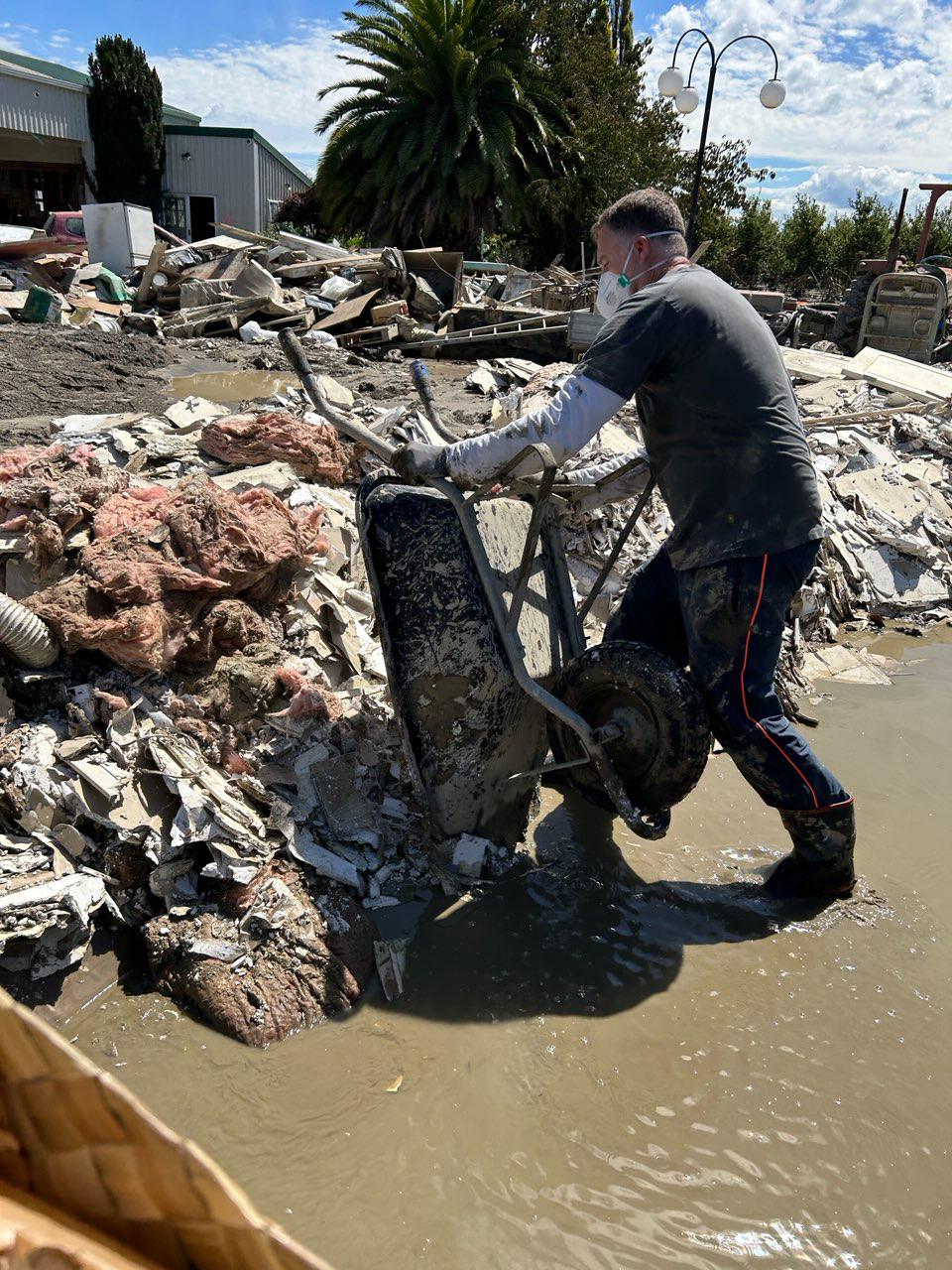
Responding to Disasters in Europe
Hurricanes, fires, droughts, and flooding affect everyone in their path. Convoy of Hope makes a difference by:
- • Equipping trained staff and volunteers to respond quickly, efficiently, and with compassion.
- • Utilizing domestic warehouses for continued support during disasters.
- • Coordinating thousands of volunteers every year to help communities respond to disasters.
Disaster Forms
There are many types of disasters.
The Center for the Epidemiology of Disasters classifies them here.
Statistics
By the numbers.
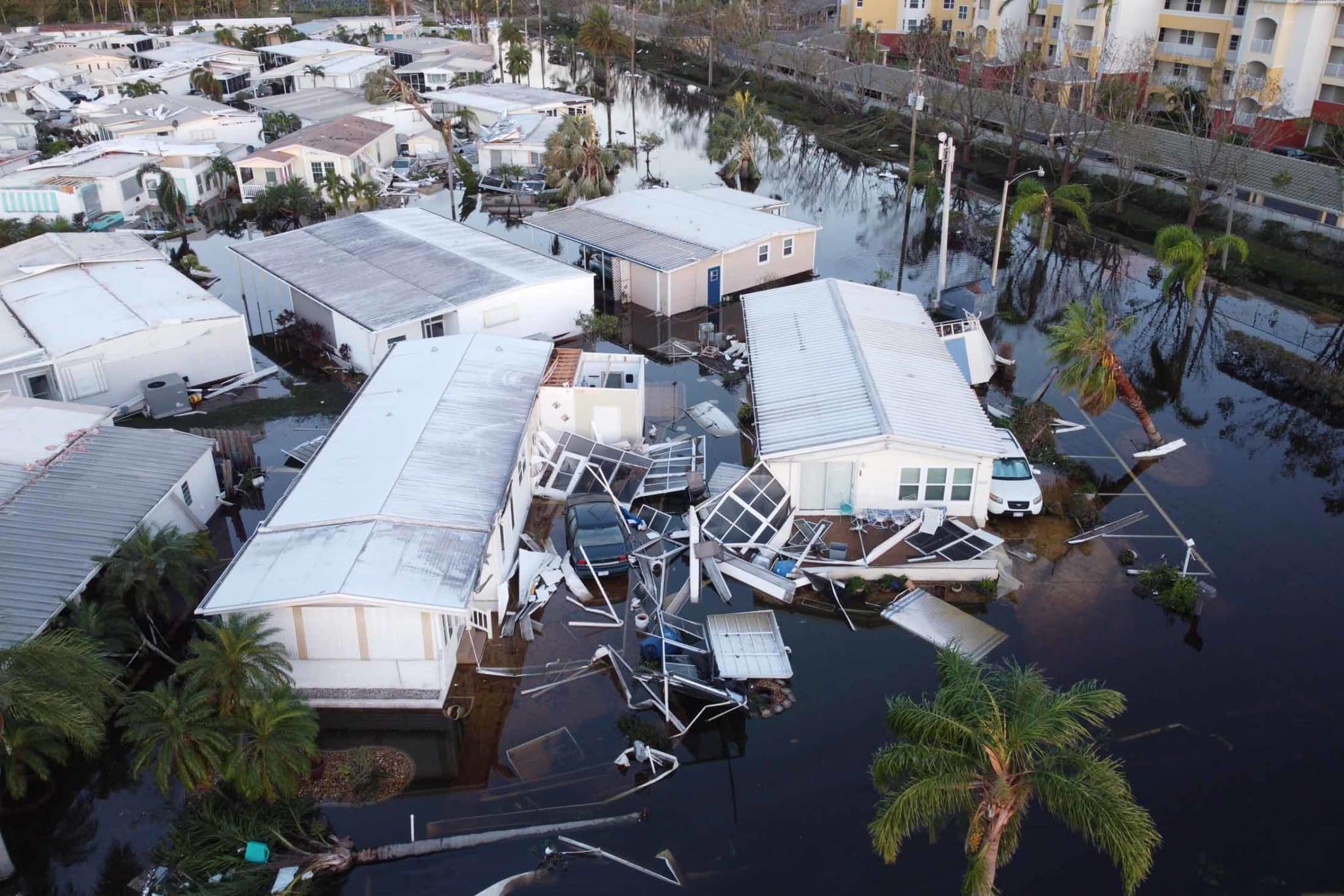
Natural disasters kill on average 45,000 people per year.

In the past, floods and drought have been the deadliest natural disasters. Now, earthquakes cause the most fatalities.
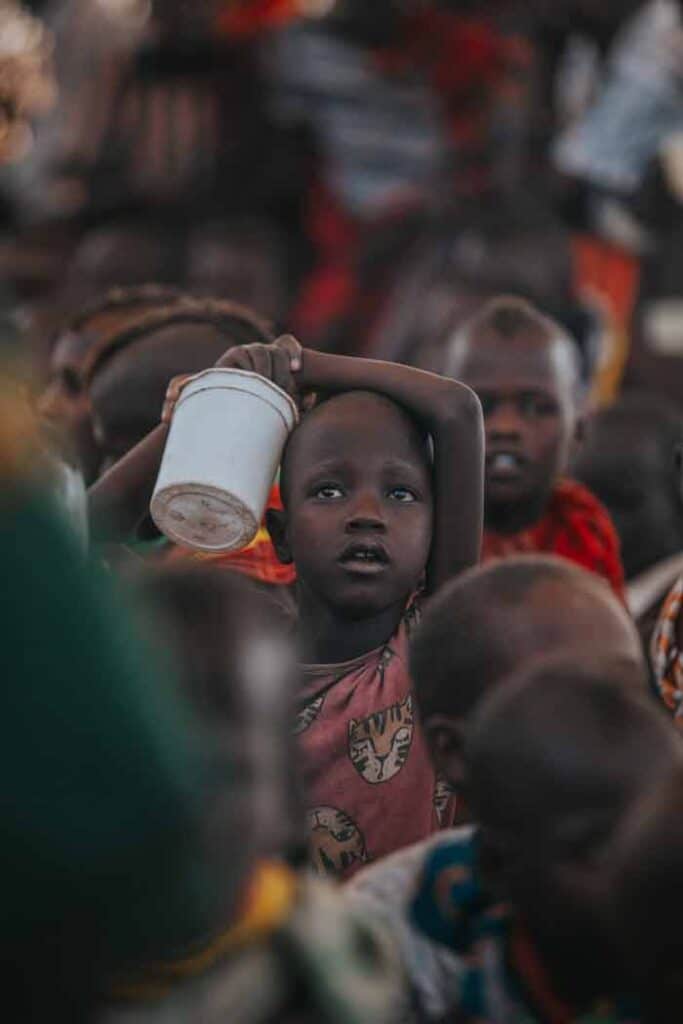
Natural disasters disproportionately impact low-income countries that often don’t have the infrastructure to provide safeguards, warnings, and efficient responses.
Objectives
Disaster relief strategy.

Preparedness
Convoy equips partners and volunteers around the world. Team members and volunteers are regularly trained in preparedness and resilience. Convoy of Hope equips each individual with the knowledge and skills they need to respond to a disaster.

Monitoring
From natural disasters to the ever-changing climate of conflict and economic situations, Convoy of Hope’s team is always monitoring weather patterns and crises around the world. By staying in contact with on-the-ground partners, Convoy gains a better understanding of situations and how to respond.

Response
Response efforts vary depending on the nature of a disaster. After a disaster, Convoy equips national, state, and local partners with information and resources they need to provide immediate help. Often, that takes the form of distributing relief supplies like food, clean water, and hygiene kits.

Recovery
Convoy of Hope’s goal is to help individuals and communities return to self-sustainability after a disaster. Depending on the need, Convoy organises debris removal, leads cleanup efforts, distributes building materials, facilitates income generation projects, and conducts agricultural training. Each of these components helps in the recovery process. In some situations, Convoy continues to work for months — or even years — to bring relief to those who are suffering.

